Dust accumulation in offices isn’t just an aesthetic issue—it can affect employee health, equipment longevity, and overall productivity. From airborne allergens to hidden microbial reservoirs in carpets and HVAC systems, unmanaged dust creates an invisible drag on workplace efficiency. This guide explores actionable strategies, tools, and real‑world case studies to minimize dust build‑up effectively, ensuring a healthier, more productive work environment.
Related pages: Office cleaning services, Our cleaning process, Cleaning prices
Why dust control matters in offices
Many businesses overlook the hidden consequences of dust accumulation. Dust carries allergens, bacteria, and tiny particles that can settle on equipment and HVAC systems. Over time, this build-up affects air quality, triggers respiratory issues, and damages sensitive electronics. A proactive dust control strategy prevents these problems and improves employee comfort, productivity, and overall office longevity.
Health impact of office dust
Even small amounts of dust can aggravate allergies, trigger asthma, and lead to eye or skin irritation. In open‑plan offices, dust spreads quickly via ventilation systems and foot traffic. Employees exposed to high dust levels report increased fatigue, reduced focus, and higher absenteeism rates. According to a 2022 study by the American Journal of Industrial Medicine, offices with poorly maintained air systems saw a 25% higher incidence of respiratory complaints.

Equipment and asset impact
Dust accumulation damages computers, printers, HVAC systems, and other equipment. Fine dust particles can clog fans, reduce cooling efficiency, and shorten device lifespan. A mid-sized IT company in Sydney reported a 15% increase in hardware failures over six months due to unmonitored dust build-up in server rooms. Proper dust mitigation not only safeguards health but also reduces costly equipment replacements.
Air quality and productivity
Clean air improves cognitive function and reduces employee complaints of fatigue or headaches. Offices that prioritize dust reduction experience better concentration, lower error rates, and higher morale. Simple steps such as HEPA-filtered vacuums and routine dusting can translate directly into measurable productivity improvements.
Effective strategies to reduce dust in offices
Reducing dust requires a combination of daily practices, periodic deep cleaning, and strategic equipment use. Each method targets specific dust sources, ensuring that employees breathe cleaner air and work in a healthier environment.
Daily cleaning routines
Daily dusting of high-touch surfaces, desks, keyboards, monitors, and shared areas is critical. Using microfiber cloths or electrostatic dusters traps dust rather than spreading it. Personal workspaces benefit from small desktop vacuum devices to capture fine particles before they settle. Training staff to maintain clean desks further reinforces dust control efforts.
Weekly and monthly deep cleans
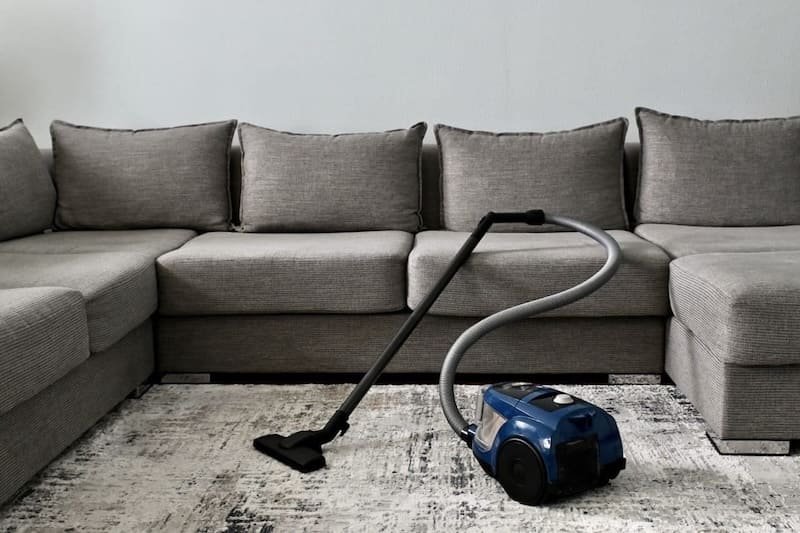
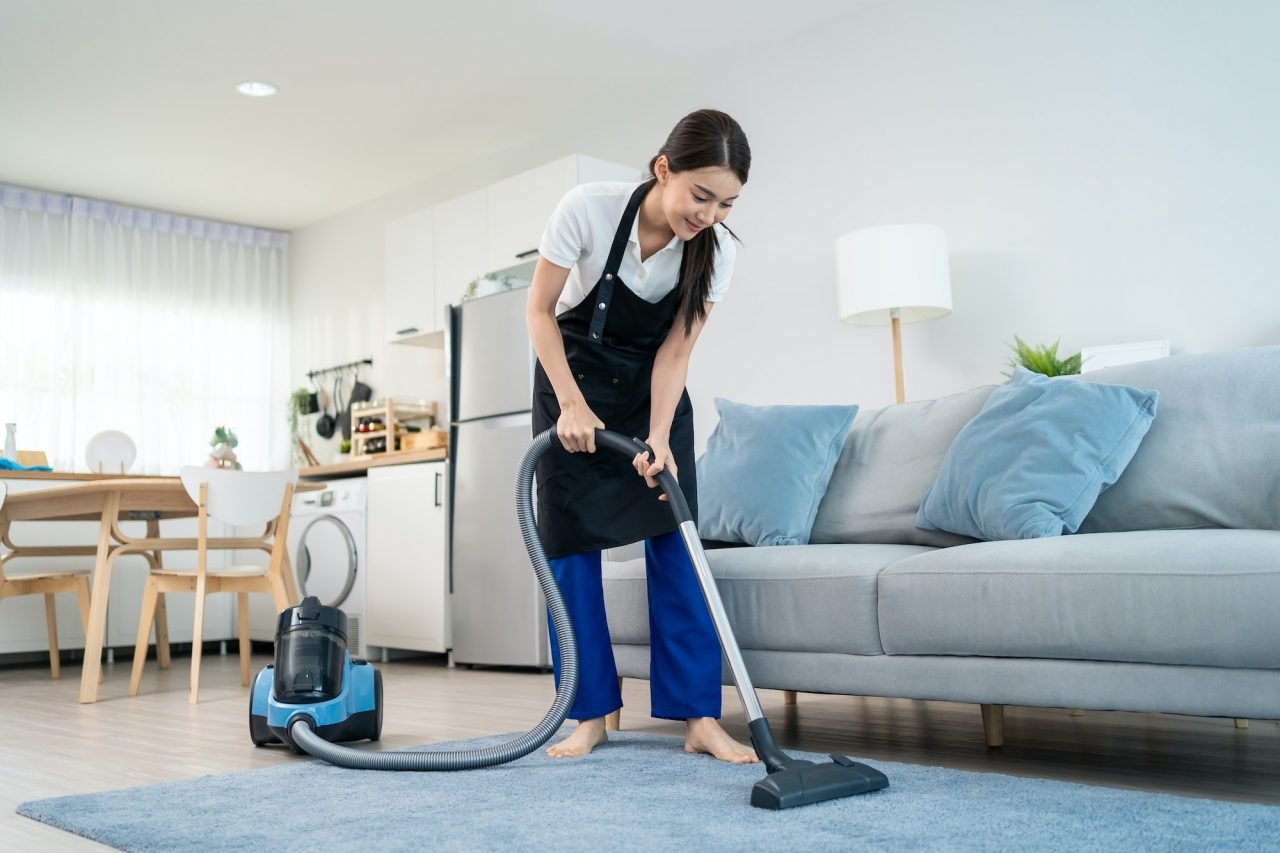
Carpets, upholstery, blinds, and air vents harbor deep‑set dust. Weekly vacuuming with HEPA-filtered vacuums and monthly electrostatic or professional deep cleaning removes accumulated dust that daily routines miss. For offices with high foot traffic or sensitive electronics, monthly maintenance ensures air quality stays within healthy thresholds.
HVAC system maintenance
HVAC systems circulate dust throughout the office if filters and ducts are neglected. Regular filter replacement, duct cleaning, and system inspections prevent dust from spreading into work areas. A Brisbane financial firm reduced visible dust by 40% within three months simply by replacing outdated filters and installing higher-grade MERV 13 filters in their ventilation system.
Hygiene habits to reduce dust
Encouraging staff to remove shoes, wipe down personal equipment, and maintain clutter-free desks can reduce airborne and settled dust. Visible cues like clean desk policies, strategically placed air purifiers, and educational signage help employees participate actively in dust reduction.
Case studies demonstrating dust reduction impact
Case study 1: Tech startup, Sydney
Background: 60 employees in an open‑plan office, frequent equipment failures due to dust accumulation.
Intervention: Implemented daily microfiber dusting, weekly HEPA vacuuming, monthly professional electrostatic deep cleaning, and staff training on desk hygiene.
Outcome: Equipment downtime reduced by 30%, respiratory complaints dropped 25%, and employee satisfaction improved measurably within six months.
Case study 2: Accounting firm, Melbourne
Background: Shared workspaces with carpets and blinds accumulating dust.
Intervention: Installed HEPA air purifiers, increased frequency of carpet vacuuming, and replaced HVAC filters every 2 months.
Outcome: Visible dust reduced by 50%, staff reported fewer allergy flare-ups, and overall sick days fell by 20% over one year.
Case study 3: Government office, Canberra
Background: Large office with 200 employees, dust affecting both air quality and archival materials.
Intervention: Quarterly duct cleaning, monthly deep vacuuming, and installation of anti-static mats to reduce particulate buildup.
Outcome: Airborne dust levels decreased by 35%, document deterioration minimized, and employee complaints dropped significantly.
Tools and products that help control dust
Choosing the right equipment and products is essential to maintain low dust levels efficiently and safely.

- HEPA vacuum cleaners: Capture fine dust particles, allergens, and prevent redistribution. Ideal for carpets and hard floors.
- Electrostatic dusters: Attract dust instead of spreading it. Efficient for daily cleaning of desktops and shelves.
- Air purifiers with HEPA filters: Reduce airborne particles significantly. Best positioned in high-traffic areas.
- Anti-static microfiber cloths: Traps dust and is reusable after proper laundering. Reduces chemical exposure.
- HVAC filter upgrades: Higher MERV-rated filters remove finer particles from circulated air.
- Electrostatic mop systems: Efficient dust collection on hard floors without dispersing particles.
- Desk dusting wands: Small handheld tools for keyboards, monitors, and office equipment.
- Cleaning management software: Tracks schedule, assigns tasks, and monitors cleaning effectiveness.
Cost-benefit and ROI analysis of dust reduction
Investing in dust control pays off through improved health, reduced equipment failure, and increased productivity.
| Category | Estimated annual cost | Benefit |
|---|---|---|
| Daily dusting & surface cleaning | AUD 10,000 | Reduces allergens, improves employee comfort. |
| Weekly HEPA vacuuming | AUD 6,000 | Prevents equipment damage and dust accumulation. |
| HVAC filter replacement & duct cleaning | AUD 5,000 | Improves air quality and reduces sick days. |
| Air purifiers and specialized tools | AUD 4,500 | Maintains clean air in high-traffic zones. |
Total annual cost: AUD 25,500. Measurable benefits include fewer sick days, reduced hardware failures, and improved productivity. ROI is often realized within 12–18 months.
Step-by-step dust reduction guide
- Assess current dust levels: Audit surfaces, carpets, and HVAC systems to establish a baseline.
- Set objectives: Define goals for daily, weekly, and monthly cleaning tasks.
- Select tools and products: Match cleaning equipment to office layout and traffic patterns.
- Train staff: Proper microfiber use, electrostatic techniques, and equipment handling.
- Implement routine cleaning: Combine daily dusting with weekly vacuuming and monthly deep cleaning.
- Monitor effectiveness: Track dust accumulation, employee feedback, and air quality measurements.
- Adjust strategy: Refine cleaning frequency, tools, and methods based on results.
- Maintain consistency: Ensure long-term adherence for sustained health and productivity benefits.
Common mistakes and how to avoid them
- Neglecting daily surface cleaning: Even small dust particles accumulate rapidly.
- Using low-quality or non‑HEPA vacuums: Dust can be redistributed instead of removed.
- Ignoring HVAC maintenance: Dust recirculation increases without proper filters and duct cleaning.
- Lack of staff engagement: Clean desks and hygiene habits prevent excessive dust.
- No monitoring or validation: Periodic inspections and air quality checks ensure effectiveness.
- Over-reliance on chemical cleaners: Physical removal of dust is often more effective.